Dedon Fiber, the weave that shaped modern outdoor seating
A close read of Dedon Fiber, the weather-resistant synthetic behind the German house, and the hand-weaving loom culture it built since 1990.
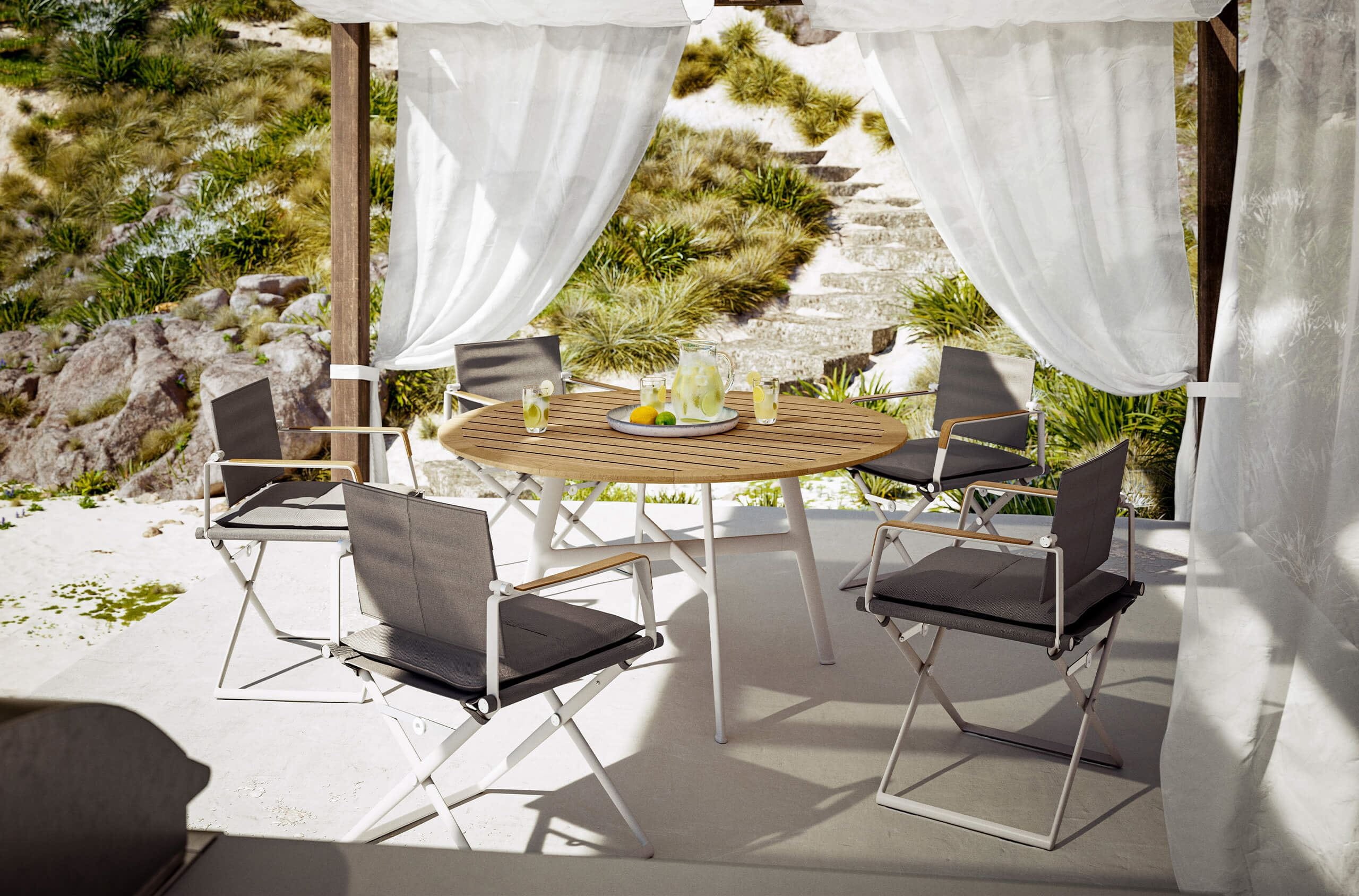
Before Dedon was a furniture house it was a fibre. In its early years the German company set out to make a synthetic strand that could live outdoors without the brittleness of natural rattan, and the weave that followed reshaped what an outdoor chair could be.
The fibre is extruded and coloured through rather than coated, then wound onto spools that feed the weavers. Up close it has a matte, almost natural texture; its difference from cane shows only after a few winters of sun, rain and salt air.
The material came first, the furniture followed. That order still shows in every piece.
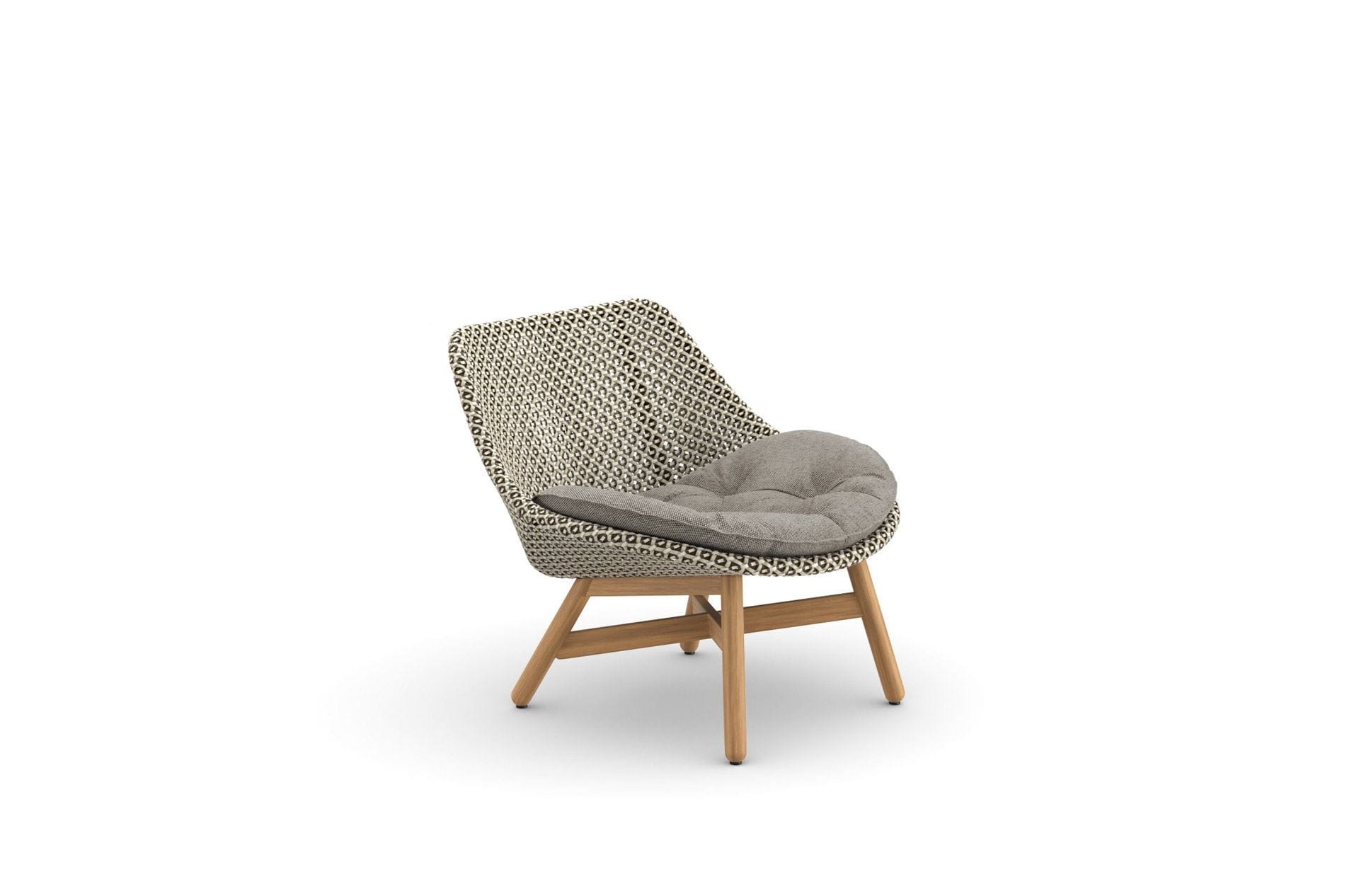
Woven, not assembled
Each frame is handed to a weaver who works the fibre over an aluminium skeleton, a process closer to basketry than to upholstery. The skill sits in the hands, which is why the house keeps its weaving close and its training long.
For the US buyer the takeaway is simple: a Dedon piece is bought once and left out, and the reason it survives the leaving out is the strand that started the whole company. For the collections built on it, see the full Dedon profile.